Water Service Line Replacement with New Poly Pipe
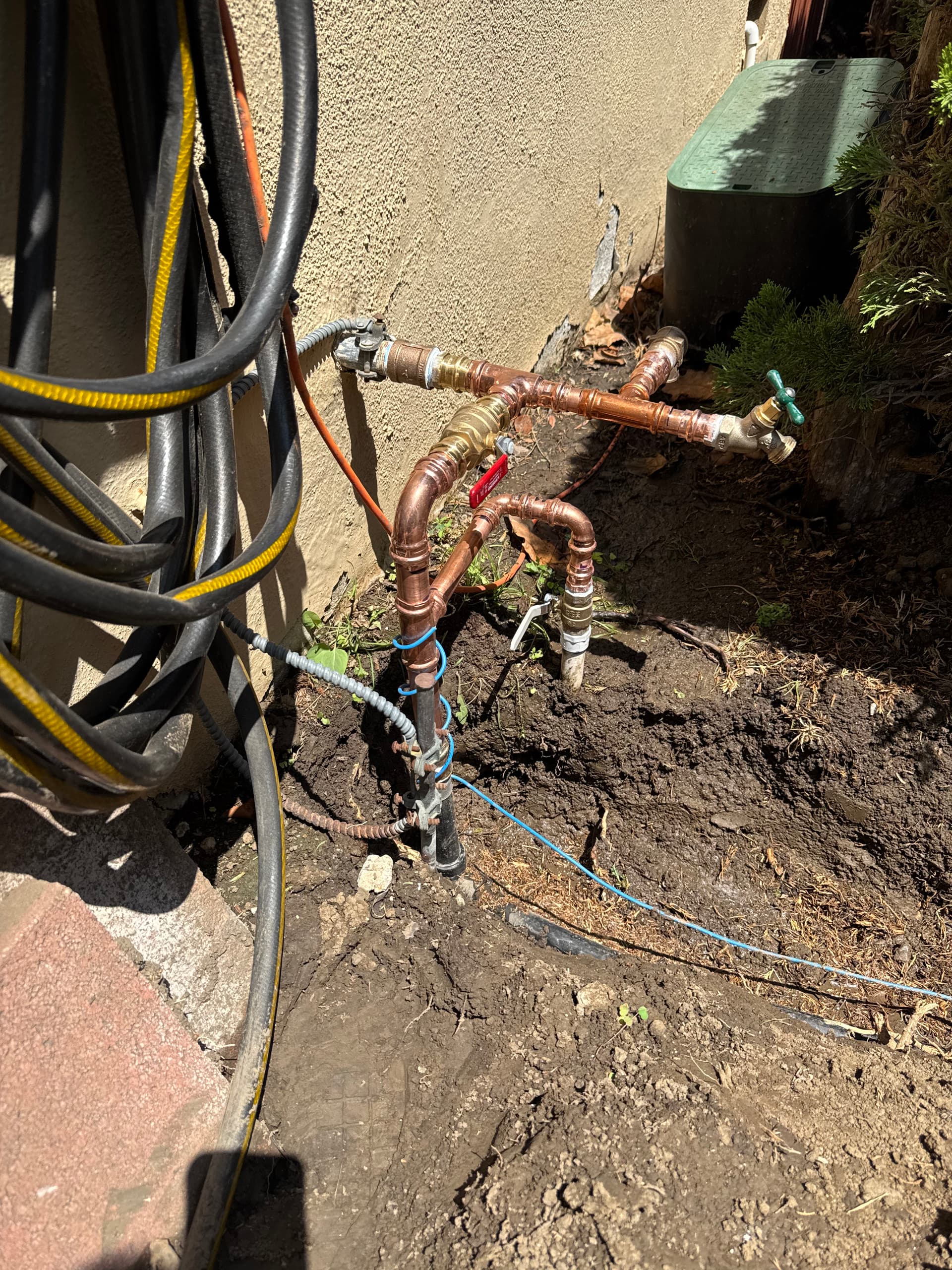
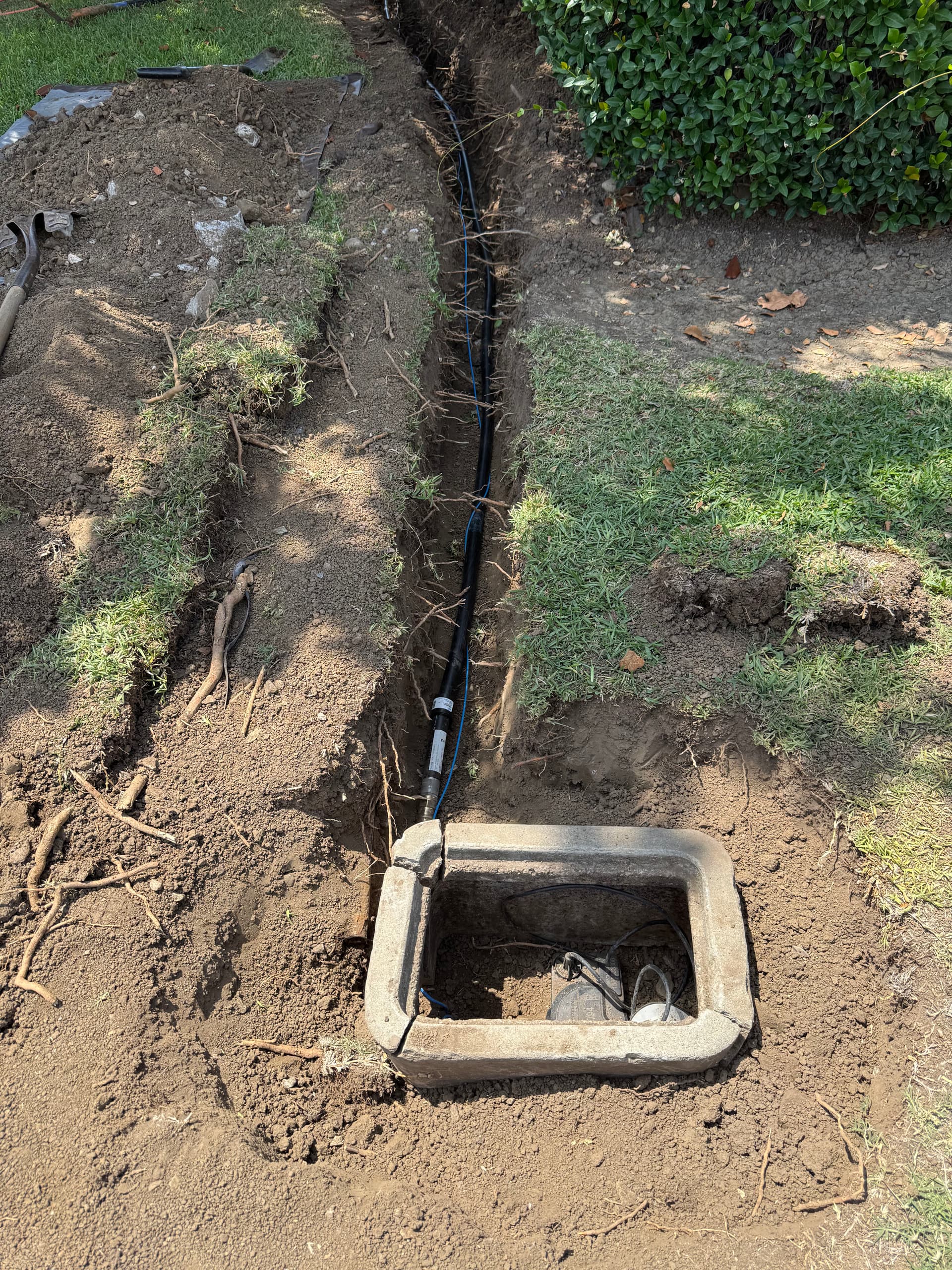
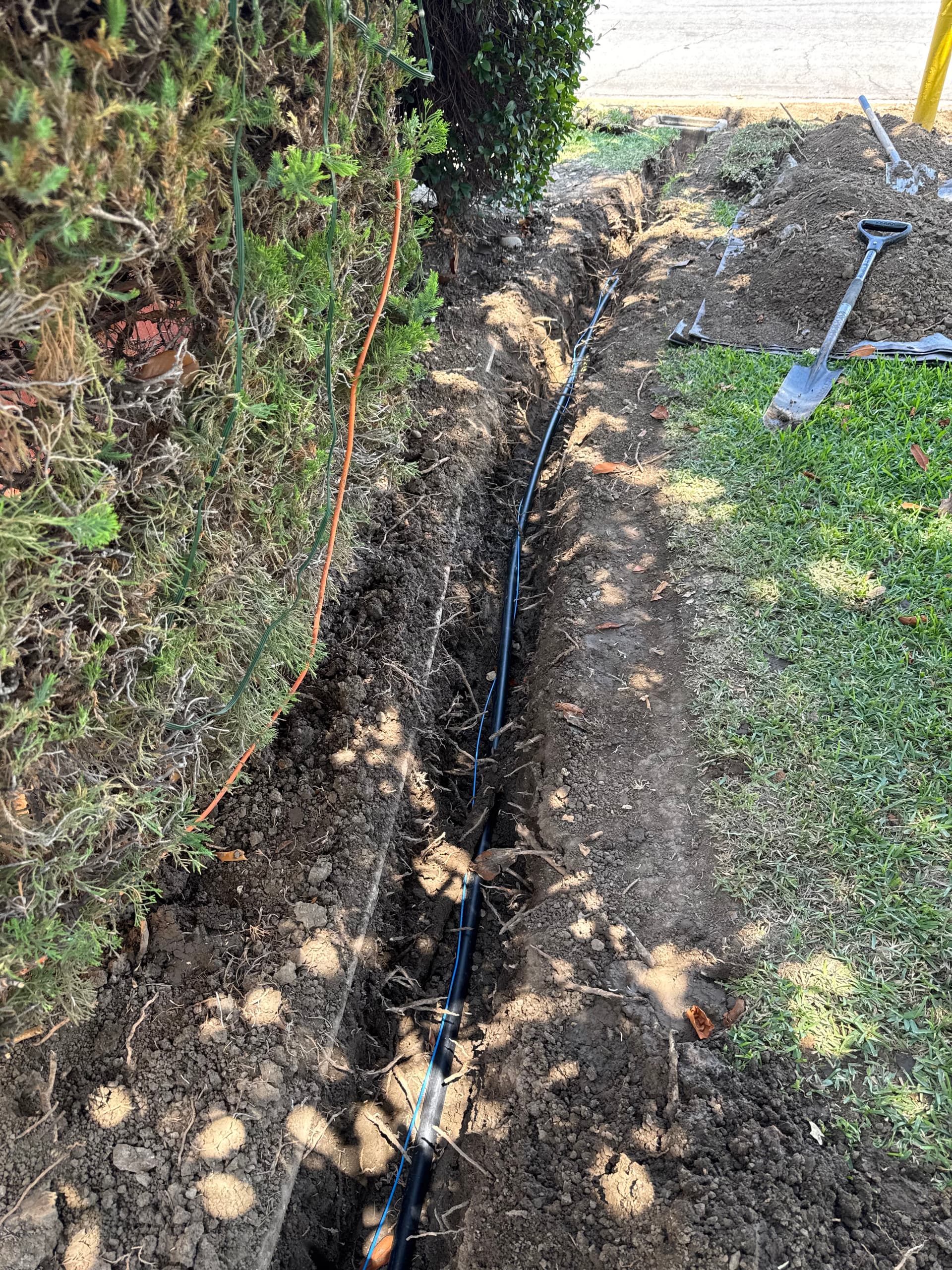
Here's what we were working with - a water service line that had run its course. The old line needed to go, so we pulled the full replacement from the meter all the way to the building. That means a clean break from whatever problems the old pipe was causing, whether that was low pressure, slow leaks, or just years of wear that had finally caught up.
We used poly pipe for the new run. It's flexible, resistant to corrosion, and built to hold up long-term. Unlike older galvanized or rigid pipe that can break down and restrict flow over time, poly handles the ground movement and pressure demands without giving you trouble. It's the material we trust for this kind of job because it's simply built to last.
The trench work tells a lot about how a job is done. We kept things clean and precise - the line seated properly, no shortcuts on depth, and connections made right where they count. The meter box connection is tight, and the copper fittings at the building entry were handled carefully to make sure everything ties in clean.
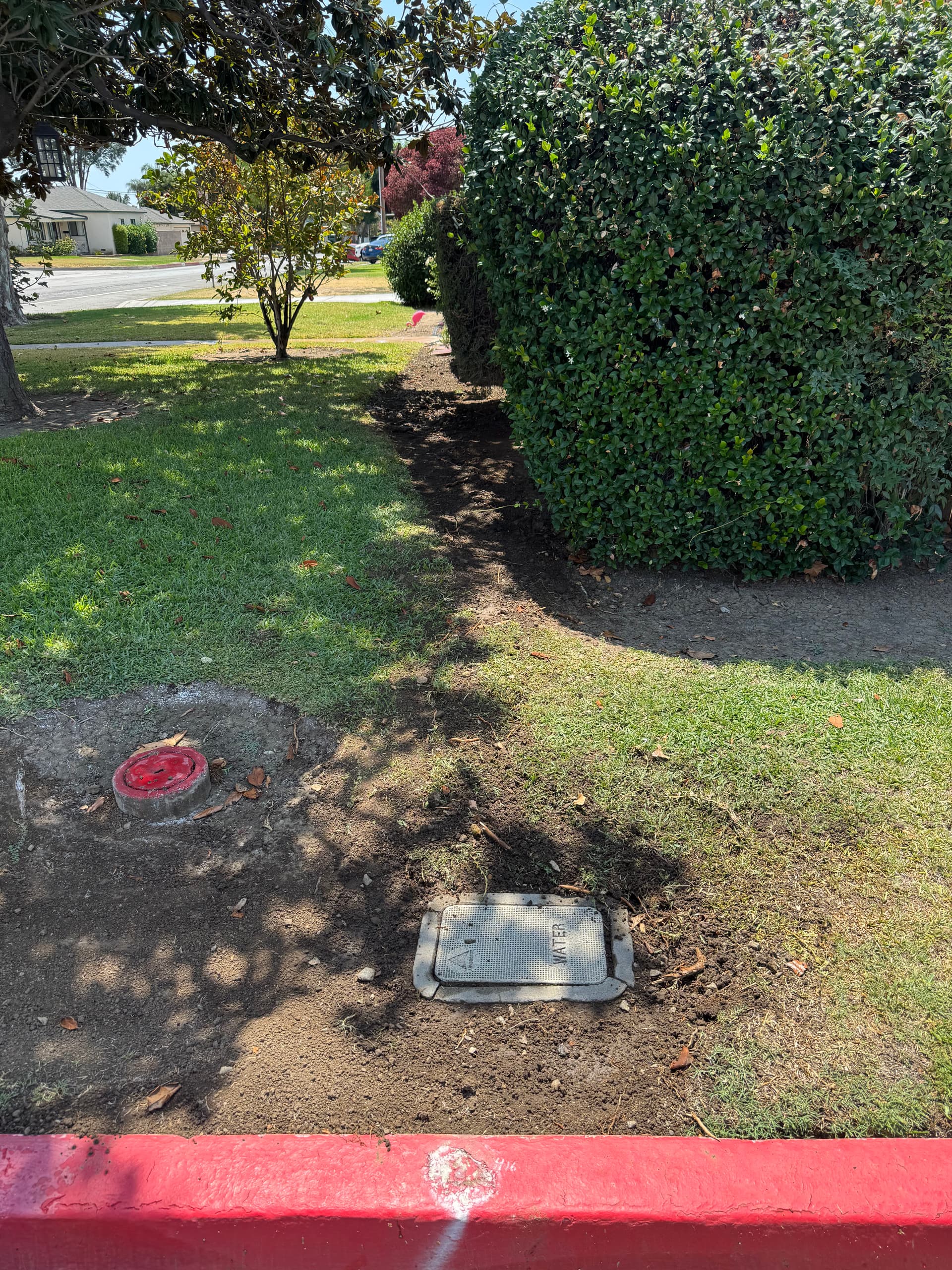
After the pipe was in the ground and tested, we backfilled and put the yard back together. That part matters too. Nobody wants a completed plumbing job that leaves their property torn up. We compact the soil, smooth things back out, and leave the site in reasonable shape. The work underground is done right, and the surface reflects that same standard of care.
A water service line replacement is one of those jobs that most homeowners don't think about until something goes wrong. Low pressure, unexplained wet spots in the yard, or a spike in your water bill - those are all signs the line might be failing. Getting ahead of it before it becomes an emergency saves a lot of headache.